
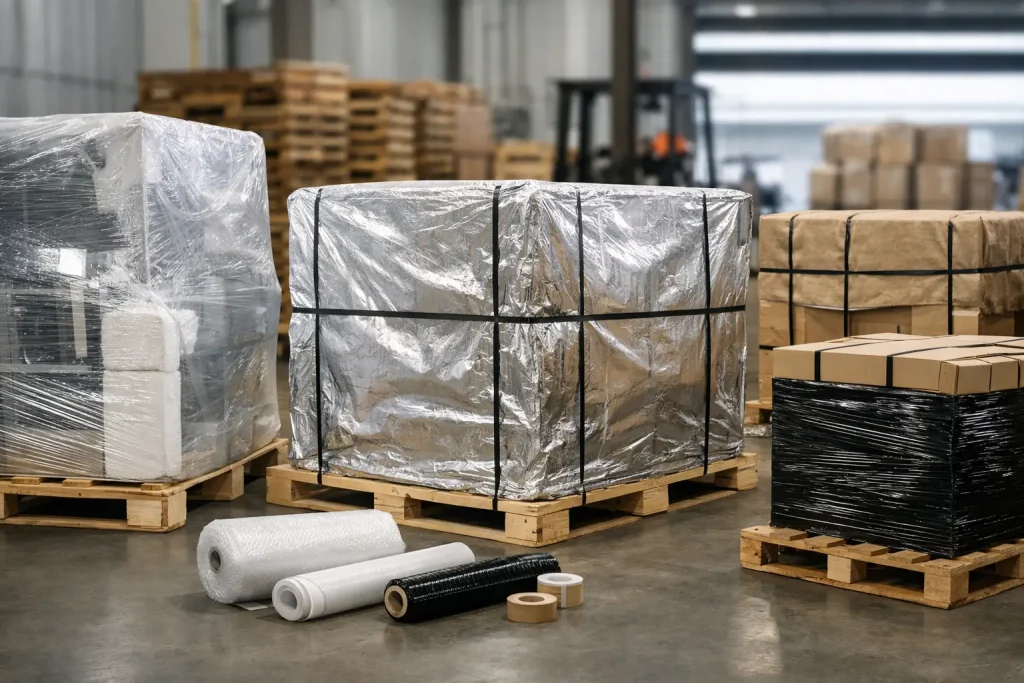
A dining chair can survive years of daily use and still be damaged in one international shipment if it is packed for a local move rather than prepared for export. Professional export wrapping methods are designed for the realities of long-distance handling: multiple loading points, container movement, climate changes, customs inspections, and final-mile delivery at destination.
For families and professionals relocating from Singapore, wrapping is not a cosmetic step before items enter a box. It is a protection system. The right materials, sequence, and crate or carton selection help prevent scratches, crushing, moisture exposure, and movement during transit. This is especially relevant when a shipment moves by ocean freight, where goods may be in transit for weeks, or when valuable and fragile pieces require added control.
Why Export Wrapping Is Different From Local Moving
A local move usually involves one truck, a short journey, and a limited number of handling events. An international shipment may be carried from residence to warehouse, loaded into a container or air-freight unit, transferred through terminals, cleared by customs, and delivered by a destination agent. Every handoff adds handling risk.
Export packing accounts for this longer chain. It uses layered cushioning, reinforced cartons, protective wrapping around exposed surfaces, and secure loading practices that reduce internal movement. The objective is not simply to fit more items into a shipment. It is to ensure each item arrives in the condition recorded at origin.
Ocean freight creates particular considerations. Condensation, humidity, and changing temperatures can affect wood, leather, electronics, papers, and fabrics. Air freight is generally faster but still requires secure packing that can withstand handling and stacking. The right approach depends on the item, transport mode, shipment size, destination conditions, and whether the goods will be containerized with other household effects.
Professional Export Wrapping Methods by Item Type
Professional packers do not use one material for every possession. A blanket alone may protect a surface, but it will not necessarily stop compression. Bubble wrap may cushion an item, but used directly on certain delicate finishes for an extended period, it may not be the best first layer. Proper wrapping begins with the item itself.
Furniture and Wooden Pieces
Wooden furniture needs protection from abrasion, corner impact, and changes in moisture. Packers commonly begin with clean protective paper or fabric-based padding around vulnerable surfaces, followed by moving blankets or thicker cushioning. Corners, legs, handles, and carved details receive extra reinforcement because they are the points most likely to be struck during handling.
For cabinets, drawers are secured to prevent them from opening in transit. Removable legs, shelves, and hardware may be dismantled, labeled, and packed separately. The trade-off is simple: dismantling takes more preparation time, but it can significantly reduce the risk of strain, breakage, and oversized-item handling damage.
Glass, Artwork, and Mirrors
Fragile items need both surface protection and structural support. Glassware is individually wrapped, cushioned, and placed into strong cartons with internal separation. Empty space is a risk. If an item can shift inside its carton, it can collide with other contents even when the outer box looks undamaged.
Artwork, framed photographs, mirrors, and large glass panels may require corner protectors, multi-layer wrapping, and purpose-built picture cartons. For high-value or unusually shaped pieces, a custom wooden crate may be the safer choice. Crating adds cost and volume, but it provides rigidity where a standard carton cannot.
Electronics and Appliances
Electronics require protection from shock, dust, and moisture. Whenever available, original manufacturer packaging is useful because it is designed around the exact item. When it is not available, professional packers use appropriately sized cartons, foam or cushioning, and careful void fill to prevent movement.
Cables, remotes, shelves, and accessories should be labeled and packed with the corresponding device. Refrigerators, washing machines, and other appliances must be prepared according to their condition and shipping requirements. A moving team should also advise on cleaning, draining, and drying appliances before packing, as residual water can create avoidable issues in transit.
Clothing, Linens, and Personal Effects
Clothing may be packed in wardrobe cartons to keep formalwear and structured garments hanging and protected. Folded clothing, bedding, books, and household items are packed into export-grade cartons sized for their weight. Heavy books belong in smaller cartons, while lighter linens can occupy larger ones.
Personal effects should not be treated as filler around fragile items. A carton must remain stable, properly closed, and suitable for stacking. Overfilled boxes can split. Underfilled boxes can collapse when loaded beneath other cargo.
Materials Matter, but Packing Sequence Matters More
Professional packing materials are valuable because they serve specific roles: cushioning, moisture resistance, edge protection, load distribution, and containment. Yet even quality materials can fail when used in the wrong order.
A practical export wrapping sequence usually starts by assessing the item and documenting its existing condition. The packer then protects the surface, reinforces weak points, adds cushioning, selects a correctly sized carton or crate, fills internal voids, and seals and labels the package. Finally, the item is loaded according to its weight, shape, and fragility.
This sequence prevents common mistakes, such as placing heavy goods on top of fragile cartons or taping directly onto finished furniture surfaces. It also creates a clearer inventory process, which supports customs documentation and destination delivery planning.
Container Loading Is Part of the Protection Plan
Even perfectly wrapped items can be damaged if they are poorly loaded. Export packing and loading must work together. Within a sea-freight container, goods are arranged to distribute weight, avoid pressure on fragile pieces, and limit movement during transport.
Heavier cartons and furniture are generally positioned low and secured first. Fragile cartons are placed where they are less exposed to compression. Padding, straps, blocking, and bracing can be used to stabilize the load. The exact method depends on whether the shipment occupies a full container or shares space with other consignments.
For a full household move, a dedicated container can provide greater loading control. For a partial shipment, professionally packed cartons and protective handling remain essential because goods may be consolidated with other cargo. Neither option is automatically better. The right choice depends on volume, budget, timing, and how much control the customer needs over the shipment configuration.
Items That Need Special Attention Before Packing
Some belongings require decisions before the packing date. Batteries, aerosols, flammable products, perishables, and certain chemicals may be restricted or prohibited for international transport. Destination countries may also have requirements for wood products, food items, alcohol, plant materials, and animal-derived goods.
Customers should separate passports, financial records, prescription medications, essential work documents, jewelry, and small high-value items that should travel personally rather than in household freight. If an item has exceptional value, discuss valuation coverage and specialized packing requirements before the move is booked.
For corporate relocations, employers and mobility teams should also identify company-owned equipment, IT assets, and records early. These items may need asset lists, serial-number documentation, or a different shipping method from household goods.
What a Professional Packing Team Should Manage
A professional export move should reduce the number of decisions left to the customer on moving day. The packing team should assess shipment requirements, bring suitable export materials, protect and label items systematically, prepare an inventory, and coordinate loading with the selected freight plan.
At Astro Movers, this approach is part of end-to-end international relocation management. Rather than treating wrapping as an isolated service, the packing process is aligned with shipping schedules, customs paperwork, insurance support, and destination delivery arrangements. That coordination matters because a well-packed shipment still needs the right documents and handling instructions to move without unnecessary delay.
Customers can help by deciding what will travel, what will be sold or donated, and what needs special handling before the survey. Clear access to the residence, accurate information about large items, and early disclosure of fragile or high-value belongings allow the moving team to plan the right materials and crew.
Your possessions are not protected by a single layer of bubble wrap. They are protected by a disciplined export process that starts at your door and continues until the shipment is loaded, documented, and ready for its journey. Book your move with a team that plans for the full transport chain, not just the first truck.
