
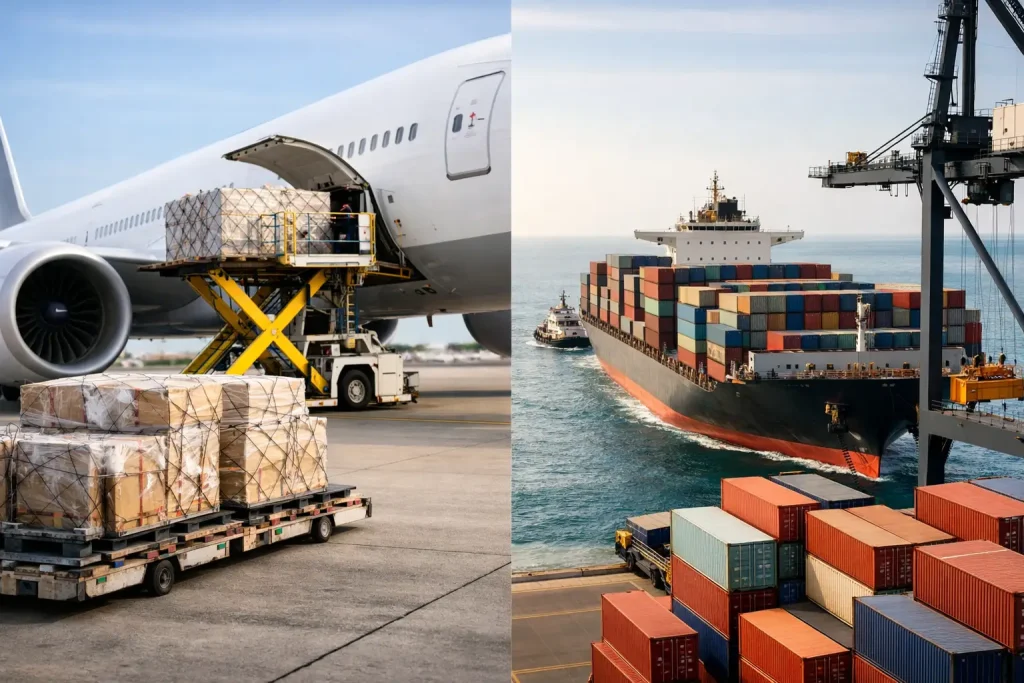
A relocation timeline can fall apart for one simple reason – your shipment arrives too late, or costs far more than expected. That is why air cargo vs ocean freight relocation is not a minor planning detail. It is one of the biggest decisions in any international move, especially when you are balancing move-in dates, school starts, corporate reporting schedules, housing handover, and customs clearance.
For expatriates, families, and corporate move planners, the right freight choice is rarely about picking the cheapest or fastest option in isolation. It is about matching the shipping method to the volume, urgency, destination, and level of control your move requires. When that decision is handled correctly, the rest of the relocation becomes far easier to manage.
Air cargo vs ocean freight relocation: the real difference
Air cargo is built for speed. If you need a shipment moved internationally in days rather than weeks, air freight is usually the direct answer. It is commonly used for essential personal effects, urgent household items, business materials, and partial relocations where waiting for a full container simply does not make sense.
Ocean freight is built for capacity and cost efficiency. It is the standard choice for full household relocations, larger office moves, and shipments that include furniture, bulky items, or a high overall volume. If your schedule allows for transit time, ocean freight generally delivers better value per cubic foot.
That sounds straightforward, but most moves are not. A family leaving Singapore for the United States may need school uniforms, work clothes, and immediate essentials sent by air, while the rest of the home goes by sea. A corporate assignee may only move a limited shipment and choose air freight entirely. A homeowner relocating a complete household to Australia may find ocean freight the only practical option.
When air freight makes sense
Air freight works best when time has real value. If a delayed shipment means hotel costs, temporary furniture rental, replacement purchases, or work disruption, paying more for faster transport can be the smarter financial decision.
This is especially relevant for first-stage relocation needs. Clothing, children’s essentials, documents, electronics, and a manageable number of household goods are common candidates for air shipment. For executives, project staff, and families arriving before their sea shipment, air cargo can reduce the pressure of living out of suitcases for weeks.
There is also a predictability advantage. While no international shipment is free from customs or airline handling variables, air freight often moves on a tighter timeline than ocean freight. That matters when your destination housing has a fixed access date or your employer expects a narrow arrival window.
The trade-off is cost. Air freight is usually significantly more expensive than ocean freight on a per-volume basis. It also becomes less practical as shipment size increases. Once you are shipping large furniture sets, multiple rooms of household goods, or oversized items, the economics shift quickly.
When ocean freight is the better relocation choice
Ocean freight is usually the right answer for complete moves. If you are shipping the contents of an apartment, landed property, or office, containerized sea freight provides the space needed to move properly without breaking the budget.
This method is particularly useful for long-term relocations and family resettlements. Beds, sofas, dining sets, appliances, books, outdoor items, and non-urgent personal effects all fit naturally into an ocean freight plan. For many customers, sea freight makes it possible to move what they actually need rather than downsizing the shipment to fit air costs.
Ocean freight also offers flexibility in shipment structure. Depending on volume, movers may recommend a dedicated container or a shared container arrangement. That allows the shipping model to match the scale of the relocation rather than forcing a one-size-fits-all decision.
The main compromise is transit time. Ocean freight takes longer, and timing can vary based on sailing schedules, port congestion, destination handling, and customs inspections. If your move date is fixed but your goods are delayed, the effect can be frustrating unless the relocation has been planned with realistic lead time.
Cost is not just freight cost
One of the most common mistakes in air cargo vs ocean freight relocation planning is comparing base shipping rates without looking at total move cost. Freight mode affects far more than transport alone.
Air freight may carry a higher upfront rate, but it can reduce short-term replacement purchases and temporary living inconvenience. Ocean freight may be far more economical for larger shipments, but only if the longer arrival window does not create extra accommodation, storage, or interim setup expenses.
Packing standards also matter. Both modes require professional export packing, but the exact approach may differ depending on fragility, volume, and transit conditions. Customs documentation, origin handling, destination delivery, storage, and insurance should also be considered as part of the full relocation budget.
This is why serious international movers do not quote freight mode in isolation. They assess shipment size, schedule, destination restrictions, and service scope before recommending the best route.
Transit time and move planning
Speed sounds attractive until you pay for speed you do not need. On the other hand, affordability sounds attractive until your shipment arrives long after you have settled into your new home.
The better question is not which method is faster or cheaper. The better question is what your relocation timeline actually demands. If your home will be ready in eight weeks and your goods are non-essential until then, ocean freight may be the efficient decision. If you are landing next week and need your basics immediately, air freight solves a different problem.
For many international moves, a split shipment is the most practical option. Essential items go by air. The bulk of the household goes by sea. This gives you continuity at destination without paying premium freight rates on everything.
Customs, compliance, and destination complexity
Freight choice also affects how your move is managed through customs. Air and ocean shipments both require accurate documentation, but processing timelines, inspection handling, and release procedures can differ by country.
That is where experience matters. A shipment is not successful because it left origin on time. It is successful when it clears properly, arrives in usable condition, and gets delivered without unnecessary delays. Customers moving to regulated destinations or under employment-linked relocation programs should be especially careful here.
A provider with relocation and freight-forwarding capability can coordinate inventories, packing lists, customs paperwork, and destination handling under one process. That reduces handoff risk and gives you one accountable point of contact instead of multiple vendors passing responsibility around.
Risk, protection, and shipment condition
People often assume air freight is always safer because it is faster. That is not automatically true. Both air and sea shipments can move securely when they are packed correctly, documented correctly, and handled by trained teams.
The real protection comes from professional wrapping, export-grade cartons, crating where needed, clear labeling, and proper loading methods. Transit conditions vary, and long-distance international shipping always involves multiple handling stages. Fragile items, artwork, electronics, and high-value household goods should be assessed individually, not assigned to a freight mode based on guesswork.
Insurance support should also be part of the discussion. If you are moving internationally, the question is not whether coverage is worth considering. The question is what level of protection matches the value and composition of your shipment.
How to choose the right shipping mode
The best decision comes from four practical questions. First, how soon do you need the goods at destination? Second, how much are you shipping? Third, what is the replacement cost of living without those items for several weeks? Fourth, how complex is the destination in terms of customs, delivery access, and timing?
If your shipment is small and urgent, air freight is often justified. If your shipment is large and your timeline is flexible, ocean freight usually delivers stronger value. If your move includes both immediate-need and non-urgent goods, a combined plan is often the smartest solution.
This is where a structured relocation consultation makes a real difference. An experienced mover will not push one method by default. They will assess your inventory, move dates, destination requirements, and budget priorities, then build the shipment plan around those facts. That is the difference between buying freight and managing a relocation properly.
For customers who want one accountable partner from packing through customs and final delivery, Astro Movers approaches freight selection as part of the move strategy, not a separate transaction. That is the level of planning international relocations require.
If you are deciding between air and ocean, do not start with the carrier. Start with the realities of your move. The right freight method is the one that protects your schedule, your budget, and your peace of mind at the same time.
